
 Hey! Welcome to my blog! You can take some time to get to know me by reading posts under the "Who Am I?" category or you can just get started by reading topics you would like to learn about.
The question was more or less “How can I find the right path amidst all the confusion that is prevalent within Christianity?” I am going to defer answering that question to the person who Christianity is named after; Christ. If he has a church on the earth, In the seventh chapter of the Matthew he has provided the answer on how to know it. I will offer some commentary to show what I mean.
CAUTION: I am not speaking for Him. This is a little bit what I get out of these scriptures. You may come away with more; you might come away with something different. That is totally fine.
 “Judge not, that ye be not judged. For with what judgment ye judge, ye shall be judged: and with what measure ye mete, it shall be measured to you again. And why beholdest thou the mote that is in thy brother’s eye, but considerest not the beam that is in thine own eye? Or how wilt thou say to thy brother, Let me pull out the mote out of thine eye; and, behold, a beam is in thine own eye? Thou hypocrite, first cast out the beam out of thine own eye; and then shalt thou see clearly to cast out the mote out of thy brother’s eye” (Matthew 7:1–5).
First we must not judge one another. If we are to find Christ’s church, we have to strip ourselves of all prejudice. Let go of any bias of what someone may have said bad about another church. We have to be humble and prayerful lest we cast away the truth because of prejudice as those who crucified the Savior did, who called him a glutton and a winebibber (see Luke 7:34).
“Give not that which is holy unto the dogs, neither cast ye your pearls before swine, lest they trample them under their feet, and turn again and rend you. Ask, and it shall be given you; seek, and ye shall find; knock, and it shall be opened unto you: For every one that asketh receiveth; and he that seeketh findeth; and to him that knocketh it shall be opened.  Or what man is there of you, whom if his son ask bread, will he give him a stone? Or if he ask a fish, will he give him a serpent? If ye then, being evil, know how to give good gifts unto your children, how much more shall your Father which is in heaven give good things to them that ask him” (Matthew 7:6–11)?
Prayer is the method that is given, in which we may find the answers to the questions man cannot answer. If you want to know if a church is good and true, pray. NEVER take a man’s word for it. Please do not take my word for it. If you want to know anything, ask God, and it shall be given you. If you are not sure that it is indeed God answering your prayer, trust your good feelings.
“Therefore all things whatsoever ye would that men should do to you, do ye even so to them: for this is the law and the prophets” (Matthew 7:12).
If you are searching diligently looking for an answer from heaven, do well to others, that God may do good unto you.
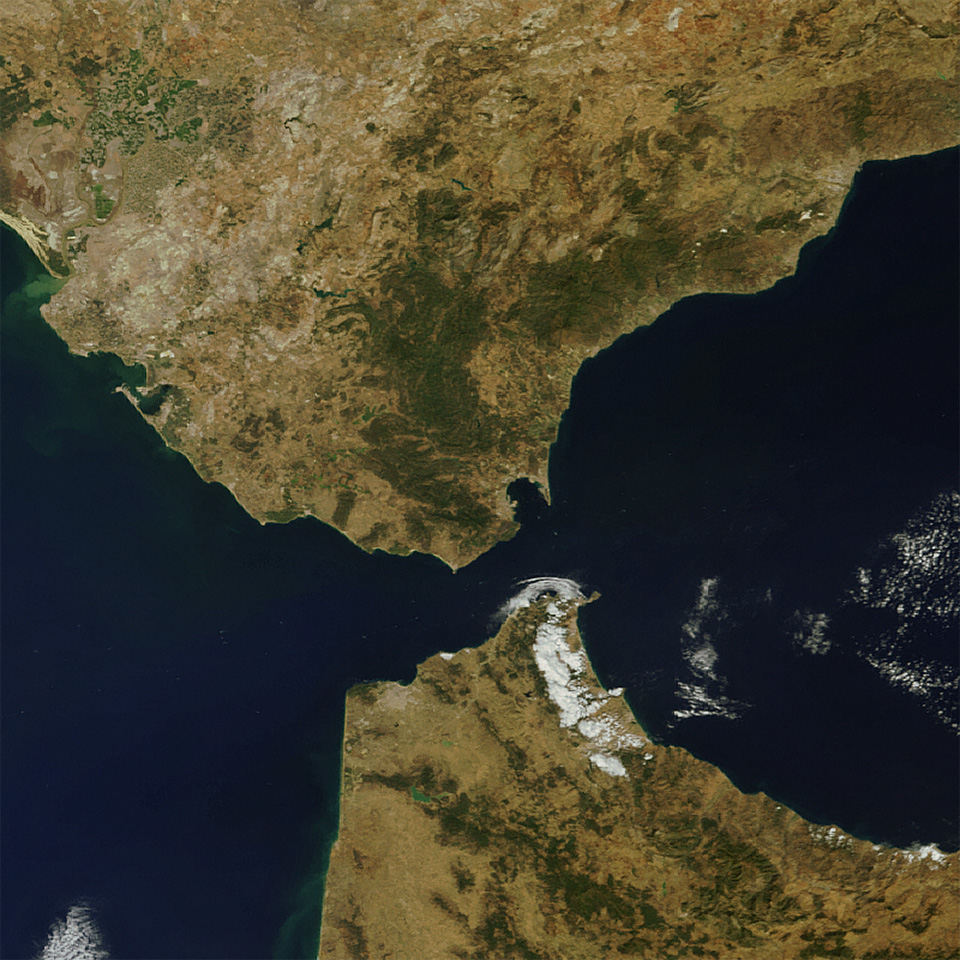 “Enter ye in at the strait gate: for wide is the gate, and broad is the way, that leadeth to destruction, and many there be which go in thereat: Because strait is the gate, and narrow is the way, which leadeth unto life, and few there be that find it” (Matthew 7:13–14).
There are many cunning individuals and/or groups that offer a easier (broad) way. “Eat, drink and be merry, do as you please, and at the last day God will beat you with a few stripes, but alas you will enter into the Kingdom of God.” If such a cunning one could get people to follow after these creeds, they could be very rich and powerful. There are many of these doctrines and churches throughout the world who take advantage of men and women and their hope of a heavenly reward by offering an easier way.
But we know that the way is narrow, not because the gate is not readily accessible, but because its strait it is mocked at as being viewed as restrictive and infringing. Again, as promised, this topic will be covered in good detail in “Part 4” of this same work.
“Beware of false prophets, which come to you in sheep’s clothing, but inwardly they are ravening wolves” (Matthew 7:15).
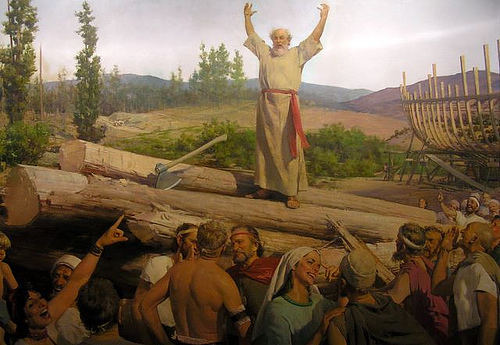 Interesting concept. That statement kind of flies in the face of the philosophy that “all churches are good.” Knowing that there are false prophets—ravening wolves in sheep’s clothing. Note that He doesn’t say that there will be no true prophets, but to beware of false ones. So how shall we know a true one from a false one?
“Ye shall know them by their fruits. Do men gather grapes of thorns, or figs of thistles? Even so every good tree bringeth forth good fruit; but a corrupt tree bringeth forth evil fruit. A good tree cannot bring forth evil fruit, neither can a corrupt tree bring forth good fruit. Every tree that bringeth not forth good fruit is hewn down, and cast into the fire. Wherefore by their fruits ye shall know them” (Matthew 7:16–20).
This is the key—we must judge a prophet based on the fruits of his labor. If his fruit be good, he then is good. Conversely if his fruit be corrupt, he too, in turn must be corrupt.
“Not every one that saith unto me, Lord, Lord, shall enter into the kingdom of heaven; but he that doeth the will of my Father which is in heaven. Many will say to me in that day, Lord, Lord, have we not prophesied in thy name? and in thy name have cast out devils? and in thy name done many wonderful works” (Matthew 7:21–22)?
There are many churches who profess that one may just say a quick prayer to Jesus, and all is well, no need to continually repent, just believe. Equally Condemned would be to assume to act in the name of the Lord while having no such bestowal of authority from the Lord and so then working iniquity after the manner of another master; such as an Ice cream man writing traffic tickets in the name of the State. Thus:
“And then will I profess unto them, I never knew you: depart from me, ye that work iniquity” (verse 23).
“Therefore whosoever heareth these sayings of mine, and doeth them, I will liken him unto a wise man, which built his house upon a rock: And the rain descended, and the floods came, and the winds blew, and beat upon that house; and it fell not: for it was founded upon a rock. 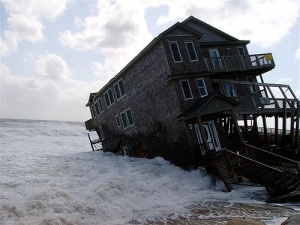 And every one that heareth these sayings of mine, and doeth them not, shall be likened unto a foolish man, which built his house upon the sand: And the rain descended, and the floods came, and the winds blew, and beat upon that house; and it fell: and great was the fall of it” (Matthew 7:24–27).
The Church of Christ will be a body of people who are “doers of the word and not just hearers only” (James 1:22). “For not the hearers of the law are just before God, but the doers of the law shall be justified” (Romans 2:13). The followers of Christ do not merely offer lip service, but do as the Savior would do if he were here.
“And it came to pass, when Jesus had ended these sayings, the people were astonished at his doctrine: For he taught them as one having authority, and not as the scribes” (Matthew 7:28–29).
Many of Christ’s contemporaries hated him for his teachings by which he claimed no Authority but his own by speaking in terms of “I say unto you” in contrast to the scribes who never taught on their own authority but were somehow exalted to a state above that of even the Levitical or priestly orders—who held the Priesthood or “Authority from God.” Thus the anger of the ruling classes of the Jews when they saw their own reputation and high standing in jeopardy while this Jesus made it clear that the Gospel superseded the law.
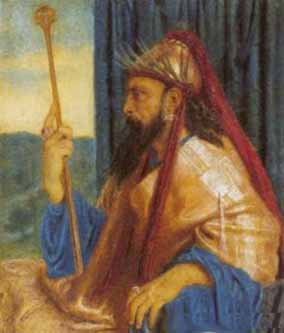 What we can learn from this is simply: humility. Do we reject a man for preaching something unfamiliar to our “all knowing” ears? Or do we seek the will of the Lord and his truth by utilizing the supernal gift of prayer as our guide and compass? I’ll give the wise Solomon the last word on this: “Trust in the Lord with all thine heart; and lean not unto thine own understanding. In all thy ways acknowledge him, and he shall direct thy paths” (Proverbs 3:5-6).

 Just Another LDS Voice
This is AWESOME! I’m not sure I want there to be an end. You have done a great job with this subject. Looking forward to Part 4. Good job! Thanks for sharing this with so many that need to hear it.